what is AEO?

what is AEO?

What is AEO Meaning? A Complete Guide to Answer Engine Optimization in 2025

What is AEO

Wondering what is AEO meaning? People search online is changing rapidly. Everyone is used to searching Google for small keywords like “best mobile ” and “mobile phone 2025.” Now with AI tools and voice assistants like Siri, Alexa, or Google Assistant, users are asking whole questions like, “What is the best mobile phone for gaming under Rs 100000?” This change made search engines more intelligent. They no longer just look for the right words but trys to understand what you mean and give the most direct answer.

Evolution of digital marketing is evident in 2025 and this is where what is AEO, or Answer Engine Optimization, comes into play. When you think about what is AEO, think it as teacher teaching your website how to clearly “talk” to AI. Like a student giving answers to questions in class—short, crisp, and direct—AEO helps you give content that are appropriate answers, which are easy for search engines to pick up.

How Does AEO Work?

What is AEO and how does it works?. Think it as you ready for an exam—knowing which types of questions the teacher might ask will definitely help you to prepare short, to-the-point answers. AEO helps brands create content that directly answers common user questions. For example, if someone asks, “what is AEO?” If you provide a clear one-sentence answer at the top of your article, Google may display your answer at top.

You can organize your content in such a manner that machines can easily understand—using headings, bullet points, and simple human-written sentences. This helps search engines to “read” and select your answer. AEO works closely with artificial intelligence voice search and SEO (search engine optimization). While SEO focuses on ranking higher in search results, AEO focuses on getting users exactly the answer they are looking for. Keeping AEO friendly content also helps esepecially in boosting digital marketing for startups.

Impact of AEO

1. Improved Online Visibility

AEO, or Answer Engine Optimization, has a huge impact on how easy it is to find information online.  And it helps websites appear at the top of search results, especially in quick answer boxes or voice search answers. AEO meaning it is like a student who knows the correct and precise answer to a question. When a website uses AEO, search engines like Google can better understand its content and see it as the “best answer” to the user’s questions. Example: someone is asking you, “What are the benefits of going to work out daily?” If your website has a short, clear answer, it’s more likely to appear first.

2. Voice Search with AI Integration

Understanding what is AEO meaning (Answer Engine Optimization) plays a key role in helping voices like Siri, Alexa, and Google answer individual questions. Instead of just targeting keywords like old-fashioned SEO, AEO helps websites provide clear, direct answers in the conversation. When someone asks, “What’s the weather like in Mumbai today?” instead of using the term ‘Mumbai weather,’ AEO ensures that the content matches this natural pattern.

3. Building Brand Authority

Brand authority isn’t just about a beautiful website or a great logo. It’s about trust. This is where understanding what is AEO—Answer Engine Optimization—is important. Think of someone asking Alexa, “Who makes the best sneakers?” Your brand name will appear first. That’s AEO working behind the scenes. It helps your content talk like humans do. Short, clear, and direct. Search engines love that. People do too. When your answers show up again and again, people start to trust you more.

Challenges in Understanding What is AEO

What is AEO

1. Changing Search Algorithms

AEO sounds great, right? But it’s not all smooth sailing. Search engines keep changing how they work. One day your answer ranks first; the next day it disappears. Frustrating?. That’s because AEO depends on how smart the algorithm gets. AEO it’s getting smarter every day. Think of it like a teacher who changes exam questions each week. You have to keep studying in new ways. Websites must do the same — keep updating, rewriting, and simplifying. Sometimes, even when your answer is clear, AI might still choose someone else’s. Unfair? Maybe but that’s how the game works. The real challenge is staying ahead, learning how search systems “think.”

2. Importance of Balancing SEO and AEO

SEO focuses on high ranking using keywords, links, and structure. On the other hand, AEO is interested in clear answers and natural speech. So how do you combine the two? Seriously difficult but doable. Think of SEO as a map and AEO as the voice, the voice that guides you. Without SEO no one will find your content. And no one would understand without AEO. The challenge is to make the content detailed enough for search engines yet simple enough for artificial intelligence and humans.

3. Measuring Performance

Unlike regular SEO, there’s no simple chart that says, “You’re winning!” When you think about what is AEO meaning, it is about answers—short, direct, and human-like. But how do you track that?  You can’t say when Alexa or Google should display results to users. It’s like screaming in a cave waiting for an echo. Sometimes your results appear , and sometimes they do not. Brands often struggle to figure out if their , their content is actually helping users or just wandering around the web clicks and views don’t tell the whole story anymore. You have to dig deeper—look at engagement, voice mentions, and even how people talk about your brand.

Tips to Create AEO Content

What is AEO

1. Focus on User Questions

Start by thinking like your reader and you will understand what is AEO meaning. Stuff like “How does this work?” or “Why should I use it?” Answer those clearly. No fluff. No long fancy words. Just talk like you’re explaining it to a friend. Use short lines. Real examples. Maybe even a story or two.

2. Use Structured Data

Structured data may look complex, but it’s simple. It’s like giving search engines a cheat code about your content. It tells them what’s what—titles, answers, reviews, recipes. Google loves that. It helps your answers show up faster, sometimes even in those cool boxes at the top of search results.

3. Keep Content Simple and Conversational

Creating AEO is about being simple and clear. When individuals search online, they want short, quick, and easy answers. Write like you’re explaining something. Add short, punchy lines. Then follow with a casual one that feels natural. Don’t be afraid to sound human. A little slang here, a small grammar slip there—it’s fine. It makes your writing feel real. 

4. Improve Voice and Mobile Search

If you make a query on your mobile phone in voice search, you can see the results of the voice search… “People talk on their phones like they talk to their friends. So when you create content, make it a real conversation. Keep the lines simple and short. Use simple words. Like, think about the way people speak, not just the way they write. In short, type with your thumb and your voice. Talk, talk naturally. Seriously, make it easy.

Difference Between AEO, GEO, and SEO

What is AEO – (Answer Engine Optimization) gives short and clear answers that are given by voice search engines like Google and Alexa. Main benefit is itgives visibility and appearance of content in voice results.

GEO (Geographical Optimization) this is all about location; it tells users where is your location to connect you. Main benefit is it guides on how to reach audience in your neighbourhood.

SEO (Search Engine Optimization) it uses keywords to optimize your content for search engines like Google or Bing and increases brand visibility in search result organically

Conclusion

So what is AEO meaning? The digital world is revolving very fast, and Answer Engine Optimization (AEO) is charging that change and is now one of the important elements of advertising eaising the question of what is AEO meaning? . It’s not just about keywords; it’s about actual questions and convincing answers. AEO helps your content “speak” to search engines in a natural, human way. Whether someone types or asks their phone a question, your content must respond clearly.

By mixing AEO with SEO and GEO, brands can reach the right people at the correct time—and in the right place. AEO creates trust, increases voice clarity, and helps your website become the “go-to answer.” Of course the algorithms will change, but people always love clear and answers.

FAQ

1. What is AEO meaning

Your content goes here. Edit or remove this text inline or in the module Content settings. You can also style every aspect of this content in the module Design settings and even apply custom CSS to this text in the module Advanced settings.

2. Is there any difference between what is AEO and SEO?

Of course, SEO targets keywords to rank higher in search engines organically, while AEO concentrates more on giving short and crisp answers that AI assistance can understand.

3. How to make AEO content?

Make your content easy to understand, like keeping it simple. Clear and look like human written.

freelance vs digital marketing

freelance vs digital marketing

Freelance vs Digital Marketing Agency: Which One Actually Helps Your Business Grow?

freelance vs digital marketing agency

Every business today needs digital marketing. Whether you’re running a small local store or an online brand, you need people to find you, trust you, and buy from you. That’s where digital marketing comes in.

But here’s the thing. When business owners decide to grow online, they often face one big question: Should I hire a freelancer or go with a digital marketing agency? A strong marketing strategy for small business helps decide whether working with a freelancer or a digital marketing agency will bring better results and long-term growth.

Both options have their own strengths and drawbacks, and choosing the wrong one can waste time, money, and energy. So, in this blog, we’ll break down the real difference between freelance vs digital marketing agency, help you understand what fits your business better, and guide you to make a confident, smart decision. Knowing the difference between freelancer and digital marketing agency helps business owners pick the right option for their goals.

Freelance Digital Marketer

A freelance digital marketer is a person who works independently with their own skills. A freelance digital marketer is a person who works independently to help businesses with online marketing. They are not part of any company or agency. Most freelancers focus on one or two areas like social media, SEO, or Google Ads.

They offer services such as creating posts, running ads, improving website traffic, or writing blogs. You can hire them for short projects or specific tasks based on your needs.

When it comes to online growth, many people get confused about freelance vs digital marketing agency and which one gives better results. Small businesses often choose freelancers when they need quick help or have a small budget. It’s an easy and affordable way to get started with digital marketing.

Digital Marketing Agency

A digital marketing agency is a company that helps businesses grow online using a full team of marketing experts. Unlike a freelancer, an agency has people who specialise in different areas, like SEO experts, content writers, designers, web developers, and ad managers, all working together.

When you hire a digital marketing agency, they don’t just do one task. They plan and manage your entire digital strategy — from building your website and running ads to improving your Google ranking and managing social media. Understanding freelance vs digital marketing agency helps you decide which option suits your business goals and budget.

The biggest advantage is that everything stays connected. Your branding, ads, and content all follow one clear plan. This helps you get better and more consistent results over time.

Key Difference Between Freelancer and Digital Marketing Agency

1. Expertise and Skill Range

The main difference between freelancer and digital marketing agency is expertise and skill range. A freelancer usually focuses on one or two areas like SEO, social media, or ads. They’re skilled in their niche but may not cover everything your business needs. A digital marketing agency, on the other hand, has a full team — SEO experts, designers, writers, and ad specialists — so they can handle every part of your marketing together.

2. Cost and Pricing Structure

Freelancers are generally more affordable because they work alone and have fewer expenses. Choosing between freelance vs digital marketing agency depends on how big your business is and what kind of support you need. But sometimes, that also means limited support. Agencies charge more, but you get a complete service — strategy, execution, and ongoing support — which often brings better long-term value.

3. Availability and Response Time

Freelancers handle multiple clients at once, so sometimes they might take longer to reply or finish a task. Agencies have teams working in shifts, so even if one person is unavailable, someone else can step in to keep your project moving on time.

4. Tools and technology access

Freelancers usually rely on free or basic tools. That works fine for small projects, but may limit detailed insights. Agencies invest in premium tools for analytics, SEO, and ad tracking — helping you get more accurate data and stronger performance.

5. Scalability and project size

If you just need help with a few tasks or a short campaign, a freelancer is a great choice. But if your business is growing and needs continuous campaigns, creative design, and reports, an agency is better because they can easily scale the work as you grow.

6. Accountability and Reporting

Freelancers may not always give you detailed reports or regular updates unless you ask for them. Agencies usually follow a structured process — sending monthly reports, explaining what’s working, and adjusting strategies based on data. That transparency helps you track progress clearly.

Merits and Demerits of Hiring a Digital Marketing Agency

freelance vs digital marketing agency

Merits

1. Complete Marketing Support

An agency has a full team — SEO experts, designers, writers, and ad managers. You get everything under one roof, which means all parts of your marketing work together smoothly. The importance of consistency in branding is one big reason many businesses choose a digital marketing agency, as an agency ensures every design, message, and campaign follows the same brand style and tone.

2. Proven Experience and Strategy

Agencies handle many clients from different industries, so they know what works and what doesn’t. Their strategies are tested, data-driven, and focused on real business results.

3. Access to Premium Tools

Agencies use professional tools for keyword research, analytics, and automation. These tools help track performance and make campaigns more effective. The main difference between freelancer and digital marketing agency is that agencies have access to advanced tools and a team that can use them to deliver better results.

4. Consistent Reporting and Updates

Good agencies send regular reports and explain what’s working. This helps you clearly see your ROI and understand where your money is going.

5. Long-Term Growth Partner

A digital marketing agency focuses on building your brand over time, not just short-term wins. They help you grow steadily with proper planning and strategy.

Demerits

1. Higher Cost

Agencies are more expensive than freelancers because you’re paying for a whole team, tools, and strategy. For small businesses, this might feel like a big investment at first.

2. Less Personal Attention

Since agencies manage multiple clients, you might not get one-on-one attention all the time unless you’re on a premium plan.

3. Longer Decision Process

Agencies have internal systems and teams, so approvals and changes can sometimes take more time than working directly with a freelancer.

4. Risk of Choosing the Wrong Agency

Not every agency delivers what it promises. That’s why it’s important to research, check reviews, and understand their past results before signing any deal.

Merits and Demerits of Hiring a Freelancer

freelance vs digital marketing agency

Merits

1. Affordable Option

Freelancers usually charge less than agencies. If you’re a small business or just starting out, this can help you save money while still getting good results.

2. Flexible Work Style

Freelancers are often open to working at your preferred time or taking up short projects. You can hire them only when you need help — no long-term contracts or commitments.

3. Direct Communication

You deal directly with the person doing the work. This means faster conversations, fewer delays, and more personal attention to your project.

4. Specialised Skills

Many freelancers focus deeply on one area like SEO, content, or social media. So if you have a very specific task, a freelancer can be a great fit for that job.

Demerits

1. Limited Services

A freelancer may be skilled in one or two areas but might not handle everything — like design, ads, or analytics — all at once. That can limit your marketing reach. The key difference between freelancer and digital marketing agency is that an agency has a full team of experts who can manage all parts of your marketing together for better results.

2. Inconsistent Availability

The main difference between freelancer and digital marketing agency is availability — freelancers often work with multiple clients and may not always be free for urgent help or regular updates, while agencies have dedicated teams to offer consistent support.

3. Lack of Team Support

The main difference between freelancer and digital marketing agency is teamwork — if your project needs multiple skills or large campaigns, a single freelancer might struggle to handle everything efficiently, while an agency has a full team to manage it smoothly.

4. Less Reporting and Tracking

Most freelancers don’t provide detailed reports or data analysis, so it can be harder to measure how well your campaigns are really performing. The main difference between freelancer and digital marketing agency is that agencies offer regular reports, clear insights, and data-driven results to help you track performance easily.

Factors to Consider Before Choosing

Deciding between freelance vs digital marketing agency depends on your budget, timeline, and type of project. Before choosing between a freelancer or an agency, it’s important to understand how to choose a digital marketing agency in Kerala that matches your business goals and budget.

1. Budget and ROI

Decide how much you can spend and what kind of results you expect. Freelancers usually charge less, but agencies can offer better long-term returns with complete strategies. The difference between freelancer and digital marketing agency can affect cost, quality, and the type of services you get.

2. Size of Your Business

The difference between freelancer and digital marketing agency becomes clear when your business starts to grow — a freelancer can handle basic marketing for small businesses or startups, while an agency is better equipped to manage larger and more complex campaigns.

3. Type of Work Needed

Think about what services you really need — SEO, social media, content writing, or paid ads. A freelancer might be skilled in one area, while an agency has experts for each. When you compare freelance vs digital marketing agency, you can see how both have different strengths and challenges.

4. Communication Style

The main difference between freelancer and digital marketing agency is in how they communicate and manage work. Freelancers often work directly with you, which feels more personal, while agencies have dedicated managers to keep communication organized and professional.

5. Consistency and Support

For one-time projects, freelancers are fine. But if you need regular updates, reports, and long-term planning, an agency will give you steady support. The difference between freelancer and digital marketing agency is that a freelancer works alone, while an agency has a full team of experts.

6. Time and Management

Working with freelancers means you’ll handle coordination and follow-ups yourself. Agencies take care of everything — saving you time and stress. Knowing the difference between freelancer and digital marketing agency makes it easier to decide who can handle your project better.

Conclusion

There’s no single right answer when it comes to choosing between a freelancer and a digital marketing agency. It all depends on your goals, budget, and how much support you need.

This guide on freelance vs digital marketing agency will help you find the best way to manage your digital marketing work effectively.

If your business only needs small, short-term help — like managing a few social media posts or running a single ad — a freelancer can do the job well. But if you want consistent growth, detailed reports, and a full marketing plan that brings real results, an agency is usually the smarter choice. To grow your business with expert digital marketing support, choose Nexxa Corporates, a leading digital marketing agency in Thrissur known for proven results and professional service.

Before you decide, take a moment to clearly define what you want to achieve. Once your goals are clear, you’ll know which option fits best for your business and future growth.

FAQ

1. By comparing Freelance vs digital marketing agency which one is affordable?

Yes, freelancers usually charge less than agencies because they work alone and have lower costs. But cheaper doesn’t always mean better. Agencies may cost more, but they offer full support, tools, and a team to handle everything.

2. Can freelancers handle full digital marketing?

Freelancers are great for specific tasks like SEO, ads, or content writing. But it’s hard for one person to manage all areas of digital marketing effectively. Agencies have experts for each part, so they can handle complete marketing strategies.

3. How do I know if an agency is trustworthy?

Check their Google reviews, portfolio, and case studies. Ask for client references or proof of results. A good agency will always be open about its past work and explain how it achieved results for other clients.

4. What should I ask before hiring a freelancer?

Ask about their experience, the type of projects they’ve handled, and how they measure success. Also, discuss deadlines, reporting, and communication methods before starting.

5. Which gives better ROI — freelancer or agency?

It depends on your business goals. For small, short-term work, freelancers may give good value. But for long-term growth, consistent branding, and measurable results, agencies usually provide better ROI.

How to choose a digital marketing agency in Kerala

How to choose a digital marketing agency in Kerala

How to choose a digital marketing agency in Kerala ?

how to choose a digital marketing agency in kerala

The need for digital marketing in Kerala has grown a lot in recent years. More people are shopping, searching, and making decisions online. Because of this, businesses in Thrissur and across Kerala are now focusing on building a strong online presence. Choosing the right digital marketing agency in Kerala can make all the difference. The right team helps you reach the right audience, improve your brand visibility, and grow your business faster. But with so many options around, finding a trusted partner can be confusing.

With years of experience working with local businesses, we’ve seen how the right agency can completely change the game, from struggling with low traffic to getting real leads and sales. This guide will help you understand what to look for and how to choose the best digital marketing agency in Kerala for your business goals.

google trends digital marketing agency

If you look at Google Trends, you’ll see that searches for digital marketing agencies have remained steady in India over the last 12 months. That clearly shows how important digital marketing has become for businesses in India. So, if you’re running a business in Kerala, now’s the right time to pick a trusted agency that fits your goals.

Understand What You Really Need

Before you start searching for a digital marketing agency in Kerala, it’s important to know what you really need. Every business has different goals; some want to build brand awareness, others focus on getting more leads or increasing sales.

If your goal is to make more people recognise your brand, you’ll need strategies like social media marketing and content creation. But if you’re looking for leads or direct sales, SEO and paid ads will work better.

When you clearly understand your goals, it becomes easier to find an agency that fits your needs. The right agency will plan strategies around your business objectives instead of offering one-size-fits-all solutions. When choosing an agency, understanding ROI in digital marketing helps you see how your money turns into real results like leads, sales, or brand growth.

Factors to Consider While Choosing a Digital Marketing Agency

how to choose a digital marketing agency in kerala

1. Make sure they align with your goals

Some digital marketing agencies are really good at specific things, like social media, SEO, or ads. So, make sure their strengths match your business goals. If you want more website traffic, choose one strong in SEO. If your goal is brand awareness, go for an agency that’s great at social media and content. The key is to find a team that fits what you actually need.

2. Check the Agency’s Experience and Portfolio

Before you choose a digital marketing agency in Kerala, take a good look at their past work. Don’t just go by what they say, check what they’ve actually done. See the type of projects they’ve handled, what kind of clients they’ve worked with, and the results they’ve achieved. A strong portfolio shows real experience and trust. If they’ve worked with businesses like yours, that’s a good sign they understand your market and can deliver the results you want.

3. Communication and Reporting

When you hire a digital marketing agency in Kerala, clear communication is everything. You should always know what’s happening with your campaigns. A good agency will share regular reports, updates, and explain the results in simple words. Be careful with agencies that talk in circles or avoid showing real data. If they can’t explain what they’re doing or how it’s helping your business grow, that’s a red flag. The best digital marketing agency in Kerala will always be open, honest, and ready to answer your questions.

4. Compare Pricing and Value

When choosing a digital marketing agency, don’t just look for the cheapest price. Low-cost services often miss the real strategy and long-term results your business needs. What matters more is the value you get — things like better reach, higher leads, and measurable growth. A good agency plans everything based on data, not guesses. Before you sign up, check what’s included in their monthly package and make sure it matches your goals. The right agency may cost a bit more, but the results will be worth it in the long run. For example, a ₹15,000-per-month agency might just post random content, while a ₹50,000-per-month agency uses data-driven ads and strategies that actually bring leads and sales.

5. Local Understanding and Support

Choosing a digital marketing agency in Kerala with local knowledge makes a big difference. The importance of digital marketing in small business is that it helps reach more customers, build trust, and grow sales even with a small budget. They know how people here think, what kind of content connects with them, and which platforms they use most. This local understanding helps create campaigns that actually get attention and build trust. When your marketing speaks the same language as your audience, your brand feels more real and relatable.

6. Client Reviews and Testimonials

Before choosing a digital marketing agency in Kerala, always check what their clients say about them. Google reviews, case studies, and video testimonials can tell you a lot about how they work and the kind of results they deliver. Honest feedback from other businesses helps you see if the agency is reliable and consistent.

Common Mistakes to Avoid

  • Some agencies promise quick results like instant rankings or viral growth. Real marketing takes time, planning, and testing.
  • Not checking KPIs or data – If the agency doesn’t share clear numbers or results, you can’t measure how well your marketing is working.

Conclusion

Choosing the right digital marketing agency in Kerala is all about trust, experience, and strategy. You need a team that understands your business goals and works with you to reach them. Nexxa Corporates, a trusted digital marketing agency in Thrissur, focuses on real results through clear communication and smart planning. We believe every business deserves a digital partner that cares about growth, not just quick numbers. Take time to choose wisely; the right agency can help your brand grow stronger and reach the audience that truly matters.

FAQ

1. How do I know which digital marketing agency is right for my business?

Look for an agency that understands your goals and industry. Check their past work, client reviews, and ask how they plan to grow your business.

2. Why should I choose a local digital marketing agency in Kerala?

A local agency knows the Kerala market, language, and audience better. They can create campaigns that connect with your local customers more effectively.

3. How can I check if a digital marketing agency is trustworthy?

Check their Google reviews, portfolio, and ask for reports or case studies. A trustworthy agency will be open about their work and show real results from past clients.

difference between brand and company

difference between brand and company

Ultimate Guide to the Difference Between Brand and Company

Difference between brand and company

These days, it is common to hear people saying “this brand launched a new company” or “our company brand.” The terms “brand” and “company” are used interchangeably. They stand for two separate yet related concepts in the fields of marketing and business.

Learning the difference between brand and company is not just about the correct terms — it defines your entire brand marketing strategy. It includes knowing how companies work, interact, and develop. This difference helps business owners, startups, and marketing specialists in certain ways:

1.Design a targeted brand marketing plan.

2.Strengthen connections with customers.

3.Expand company in a sustainable and efficient manner.

The market is very competitive. People don’t just purchase from companies. They like to buy from reputable brands that they trust.Hence even a legally strong company might fail if its brand cannot connect with its audience emotionally.

Read on to learn the difference between brand and company, understand brand vs company perspectives, and see how this knowledge helps to develop a lasting corporate identity.

What is a Company?

A company is the legal and operational backbone of a business. It is an entity formed to produce goods or deliver services with the goal of making a profit. In legal terms, it is recognized by government authorities, pays taxes, hires employees, and manages operations.

A company can be considered as the engine that powers the business. It takes care of production, logistics, finances, and strategy.To ensure long-term growth and identity, collaborating with a trusted branding company in Kerala can help align your company’s vision with a powerful market presence.

Key Features of a Company

1.Legal Registration:

A firm must be registered under corporate laws in order to conduct business lawfully. It may be a company, LLC, partnership, or sole proprietorship.

2.Ownership and Management:

Companies have defined ownership structures — such as shareholders, founders, or partners — and decision-makers like CEOs or directors.

3.Operations and Revenue:

A company manages everything from manufacturing to sales and distribution to ensure consistent growth and profit.

4.Accountability and Regulation:

A company follow rules, file taxes, and meet compliance standards to maintain credibility and sustainability.

Please see below the examples for Companies

1.The Coca-Cola:

A multinational beverage producer that owns a variety of brands such as Sprite, Fanta and Coca-Cola. The business is in charge of distribution, marketing, and production.

2.Unilever:

An international corporation that handles over 400 brands, including Lipton, Knorr, Dove, and Surf Excel. Despite having different positioning, all brands use the same corporate infrastructure.

In simple terms, a company is the structure that enables products and services to exist — a key point in understanding the difference between brand and company.

What is a Brand?

When a company deals with the business side of things, a brand handles the emotional and psychological side. A brand is the identity, image, and reputation of a product or company in the eyes of consumers — clearly highlighting the difference between brand and company.

Essential elements of a Brand

1.Brand Identity

Brand identity is composed of the visual and technical components like name, logo, tagline, color scheme, typography, and packaging ,all that establish your brand’s identity.

2.Brand Personality

It is defined by the human qualities that your brand stands for, such as being social like Coca-Cola, smart like Chanel, or adventurous like Red Bull.

3.Brand Promise

The expectation you set for customers — for example, Volvo promises safety, while FedEx promises reliability.

4.Customer Experience

Every connection counts.Brand perception is affected by packaging, customer service, social media tone, website design, and even after-sale assistance.

Examples of Brands

1.Apple Inc. (Company) vs iPhone (Brand) :

The iPhone is designed and marketed by Apple Inc. Innovation, superior craftsmanship, and a contemporary lifestyle are all embodied by the “iPhone” brand.

2.Nike Inc. (Company)vs Nike (Brand) :

Nike’s brand symbolises motivation and athletic excellence. The swoosh and “Just Do It” slogan are powerful emotional appeals that connect deeply with worldwide audience.

A brand takes time to develop. It is built through consistent messaging, design, and experiences — all part of an effective brand marketing strategy that makes customers trust you.

Brand vs Company: Understanding the Difference

While both terms are often used together, the brand vs company distinction shows their roles in business are very different. A company is tangible ; you can register it, invest in it, or visit its office. A brand, however, is intangible ;it lives in the hearts and minds of your audience.

brand vs company<br />

Key Difference Between Brand and Company

1.Legal Structure vs Emotional Identity

A brand is an emotional concept whereas a company is a legal entity.

For example Microsoft Corporation is the company, but Windows and Xbox are brands that evoke innovation and reliability in consumers’ minds.

2.Tangible Operations vs Intangible Perceptions

Customer experience, storytelling and design are what make a brand while a company handles physical tasks of production, hiring and logistics.

The Samsung Electronics Co. Ltd., for example, is a business, but for the consumers ,it is the Samsung Galaxy brand which is often associated with innovative technology and modern design.

3.Reputed Company vs Strong Brand

A brand can be strong for its emotional impact whereas a company can be reputable for its size or age.

For Example: Tata Group is known as a highly reputed corporation whereas Tata Motors and Tata Tea are brands trusted by millions for quality and heritage.

4.Creation Process

Brands are crafted through marketing, experience, and storytelling while companies are built through registration, planning, and investment.

5.Relationship with customers

The customers might buy products from companies but they love the brand — that emotional connection is what defines the difference between brand and company.

Why Both Matter Together

A company’s structure and the brand soul are both essential for a business to succeed — they represent two sides of the brand vs company relationship.

A brand adds personality, significance, and market distinction whereas a company offers infrastructure, financial support, and legal recognition.

For example, consider the case of P&G (Procter & Gamble) , the corporation that owns many popular brands, including Pampers, Gillette, and Ariel. Although each brand has its own target market and promise, they all benefit from the parent company’s operational strength. Without strong branding, P&G’s portfolio would not emotionally connect with consumers — showing how a smart brand marketing strategy drives success. Without strong branding ,P&G’s portfolio would not emotionally connect with consumers. Basically, businesses give value, but brands win consumers.

How to Build a Strong Brand Marketing Strategy

The relationship between what your company does and how others perceive it defines your brand marketing strategy, reinforcing the difference between brand and company in action. It’s not about just selling ,it’s about building meaning and memory in the consumer’s mind.

1.Define Your Brand Positioning

Identify what makes your brand different. Are you tech-driven, costly, economical, or ecologically conscious? How people compare you to your competition is determined by your placement.

2.Create an Engaging Brand Narrative

Storytelling humanizes business. Share your origin, mission, and purpose. A strong story turns a product into an experience just like TOMS, which links every shoe sale to social impact.

3.Be Consistent

Every interaction through website, advertisements, social media, and packaging should convey the personality of the brand. Consistency creates trust and the recognition.

4.Put Experience First

From customer care to post-purchase assistance, create unforgettable experiences that strengthen your brand marketing strategy and customer loyalty. Starbucks, for instance, offers more than simply coffee—each cup offers a warm, unique moment.Focusing on customer experience helps you build loyalty and trust, transforming ordinary transactions into emotional connections that drive retention and advocacy.

5.Employ Emotional Marketing

Emotions, not reason, influence the decisions that the consumers make. Use design, brand storytelling, and customer interaction to create a good brand image.

6.Change with Your Consumers

Brands are living entities. As consumer behavior changes, adapt your identity and messaging. A great reference is how Instagram evolved from a photo app to a lifestyle and business platform.

The Relationship Between Company Growth and Brand Strength

Brand Marketing Strategy

Company performance is directly impacted by a strong brand in a number of ways:

1.Retention of consumers: Loyal consumers spend more and come back more frequently.

2.Price Premium: Due to perceived value, strong brands are able to charge higher costs.

3.Expanding the Market: Brand trust opens up new product and geographic opportunities.

4.Partnerships and Recruitment: Better talent and teamwork are drawn to well-known brands.

To strengthen these aspects and reach your audience effectively, businesses should invest in digital marketing as part of their overall brand strategy. It helps amplify brand awareness, nurture customer loyalty, and convert visibility into sustainable growth.

For example, Apple Inc. is one of the world’s most valuable companies largely because of its powerful brands — iPhone, iPad, and MacBook — each representing innovation and quality.

Conclusion

A brand is different from a firm in the same way that a person’s physique is different from his personality — the perfect example of the difference between brand and company. A company is the structure, that makes, manages, and delivers.

A brand is the spirit, it inspires, influences, and connects.

Without branding, a business can exist, but it won’t expand in a sustainable way. A brand can’t exist without a company backing it operationally. The magic happens when both align — when the company’s mission and the brand’s message work in harmony.

FAQ

1. Is every company a brand?

No. A company is a legal and an operational entity, while a brand is a customer’s perception. A company becomes a brand only when it builds a recognition and emotional connection with the customers.

2.Can a company own multiple brands?

Yes. For instance, Unilever owns several brands like Dove, Lifebuoy, and Knorr , each targeting different markets and audiences.

3. Why is the brand identity more than just a company name?

People relate a brand with its images, values, and experiences. Starbucks’ brand value is defined not only by its name ,but by its logo, atmosphere, and individualized service.

4. Can a brand exist without a company?

No. Every brand requires a business for production, management, and funding. A company’s efforts are reflected in its brand.

5. What happens if a company has a weak brand?

Even if a company has good products, bad branding makes it unimportant. Consumers want brands that represent trust and innovation, such as the Nike or Samsung.

6. How can a brand marketing strategy help business?

Branding turns one-time clients into loyal ones, boosts popularity, and builds trust and loyalty.

7. Which is more important — the company or the brand?

Both are necessary. While the brand fosters emotional attachment, the firm establishes the framework and provides the goods. They create a sustainable business ecosystem when combined.

evolution of digital marketing

evolution of digital marketing

Evolution of Digital Marketing : Birth, Rise, Present & Future!

Evolution of digital marketing

When we consider the evolution of digital marketing, take the last purchase you made online—did it come from Instagram, Facebook, Google search, or an email advertisement?
If you’ve ever purchased something through any of these means, it’s because the company behind it had a good digital marketing strategy. But here’s the reality—it wasn’t an overnight thing.
Want to know how they made you (and tens of thousands of others) such loyal patrons? That’s the digital marketing magic. And to grasp that magic, you need to grasp the history and evolution of digital marketing.

Digital marketing trends evolve constantly. Remember that what trend worked a few years or months ago may not have significance at the present. Also, what trends are currently effective can change in the future in this fast-paced digital era.

Here in this blog, let us discuss how digital marketing began, where it is going now, and where scope of digital marketing in the future.

Journey Of Offline to Online

1. Birth Of Internet - Evolution Of Digital Marketing in The 1990s

Before the evolution of digital marketing, “marketing” meant billboards, radio, television, and newspaper inserts—hardly the targeted ads you see in front of your eyes these days.
Tim Berners-Lee created the World Wide Web, which debuted in the early 1990s and quickly became well-known with the introduction of webpages and hyperlinks.

In 1994, AT&T debuted the first banner commercial. Around the same time, email started to overcome its initial use as a corporate internal communication tool to become a widely used marketing tool that allowed companies to communicate directly with consumers.Yahoo and AltaVista search engines came into the market in 1994, and Google launched in 1998. The rest is history. These websites formed the basics for the evolution of digital marketing, ie, search engine marketing (SEM) and search engine optimization (SEO). This triggered the evolution of digital marketing initially.

2. Early Email Marketing

.Following the advent of the internet in the early 1990s, the evolution of digital marketing started to find form, not only in the form of SEO and SEM but also with the introduction of email marketing. The idea was simple: build an email address list and send promotional messages to as many individuals as possible.
In contrast with the highly customized campaigns of today, the initial emails were generic. They were considered to be some of the most important digital materials available at the time. Email marketing got popular quickly due to its low cost and ability to send messages straight to clients’ inboxes.


It has drawbacks in addition to advantages. Recipients frequently received too many or useless messages, stuffing their inboxes with spam. This issue brought to light the necessity of improved targeting, customization, and greater consideration for the digital environment of customers. But this also gave birth to a new type of marketing called email marketing, which boosted the evolution of digital marketing.

3. Search Engine Significance (Early 2000s)

SEO sets a quality and standard in terms of search results. Google introduced PageRank, which set strict rules to get on top of search queries, like quality content and backlink strength, in 1998. By organizing sites according to the authority and relevancy of backlinks pointing to a website, the algorithm improved search. This new rule led to the creation of quality link-building and on-page SEO strategies. Consequently, companies started producing high-quality content to elevate their positions.

Companies began inspecting their sites and enhancing them with keyword-based material, catchy text, and strategically placed backlinks to rank higher on organic search.
Google introduced Google Ads (formerly AdWords) in the late 2000s.
This approach also allowed companies to use paid adverts to reach the top of search results quickly without too much effort.

SEO not only helped in the evolution of digital marketing, but also gave a systematic approach to digital marketing.

4. Rise of Content Marketing

Evolution of digital marketing

Organizations began investing in both Google Ads and website optimization as SEO and PPC gained popularity. They soon found that staying at the top of search results required more than just making changes to a sales page. It became evident that companies needed to provide genuine value in order to gain credibility and confidence, as consumers wouldn’t simply flock to businesses with nice goods or services.

Businesses now produce and share blogs on blogging platforms like Blogger (which was introduced in 1999) and WordPress (which was introduced in 2003). Brands started creating problem-solving blogs that can give quality backlinks and establish domain authority, and in return, develop relationships with their audience. SEO was being driven by content marketing, not only supplemented by it. It helped increase brand visibility, build backlinks, and spark customer conversations. Content marketing later played a big role in the evolution of digital marketing.

5. Social Media Emerges (History Of Digital Marketing in Early 2000s)

If we consider the history of digital marketing​ in the 2010s, besides spending on SEO and PPC, brands must also plan marketing through social media. They had to spend money and time on social media advertising, too.

They must appeal to more active demographics. This prompted businesses to invest more in social media marketing with PPC and SEO. At the same time, smartphones entered the scene which made a great impact in the evolution of digital marketing. slowly smartphones replaced desktops and laptops as the main internet connection device. Businesses were forced to adapt their sites and material for mobile-first use as more and more individuals surfed on smartphones.

This made a fresh type of content marketing where user-generated content, live reviews, shareable posts, and video storytelling were popular. Business firms could now receive immediate feedback and design a community-like interaction, making marketing more participative and live than ever.

After smartphones came to the market, with more accessible internet, mobile became the first touchpoint for browsing the internet. Companies developed their websites and content to be mobile-friendly as more people started using the internet on mobile devices.

This led to user-generated content marketing, live reviews, shareable posts, and video-based storytelling being what was fashionable. Brands now can interact with audiences more effectively, making their marketing more interactive and in the moment than ever before. Social media was a new type of marketing for brands and played a crucial role in the evolution of digital marketing.

6. Role of Data-Driven Marketing in The Evolution of Digital Marketing

Why do certain ads come on your smartphone only a few minutes after you give a search on the internet? That is the power of data-oriented marketing, and it doesn’t just happen. Algorithmic systems nowadays are set up to monitor user interests and behavior. This increases the effectiveness and audience specificity of targeted advertising.

Both Google Analytics and Google Search Console tools are major tools used by marketers to track user activity and website performance. Brands use all of this information to understand their target market better and create strategies that will help them. Data and automation services like HubSpot and Mailchimp have also assisted in the growth of email marketing. Several clicks can be used to set up auto-replies, change templates, and send bulk emails. By using data-driven metrics, brands can target demographics like age, country, gender, etc. Data-driven marketing made a huge difference between traditional marketing vs digital marketing​.

Traditional Marketing vs Digital Marketing

Evolution of digital marketing

Before the history of digital marketing​, advertising was like television, radio, newspaper print advertising, and huge billboards were considered marketing strategies. Although these approaches were broad and attracted a massive audience, they were not targeted. A major drawback was that they provided no mechanism for measurement of engagement or performance metrics. The internet—and online marketing—eventually took over the marketing environment. It changed marketing from a one-way approach to two-way. This made it possible for brands to communicate with customers in real time.

In spite of reaching audiences without any target, marketers were able to analyze each click, track conversion rates, and calculate return on investment (ROI) with 0% mistake by combining Google Ads, SEO, PPC, and social media marketing. As a result, marketers grow more focused and efficient. The evolution of digital marketing could not be possible without all these factors which are, changing rapidly.

Future Trends in Digital Marketing

1. Integration with AI

You would have seen that the trend in digital marketing is not solid. It is always changing and altering the way of communication with audiences. With each new technology or trend, these trends always keep changing. AI made digital marketing more powerful. A few sectors where AI has made a great impact are voice search optimization, chatbots offering 24/7 customer support, and email automation. This not only saved time but also gave precise results and was more cost-effective.

The invention of  AI tools related to SEO optimization, social media, PPC, and content creation made brands adopt data-driven marketing more easily. AI enables marketers to forecast future occurrences and purchasing history. This made marketing strategic and effective. AI not only influenced the evolution of digital marketing, but it also made it easier and less complex.

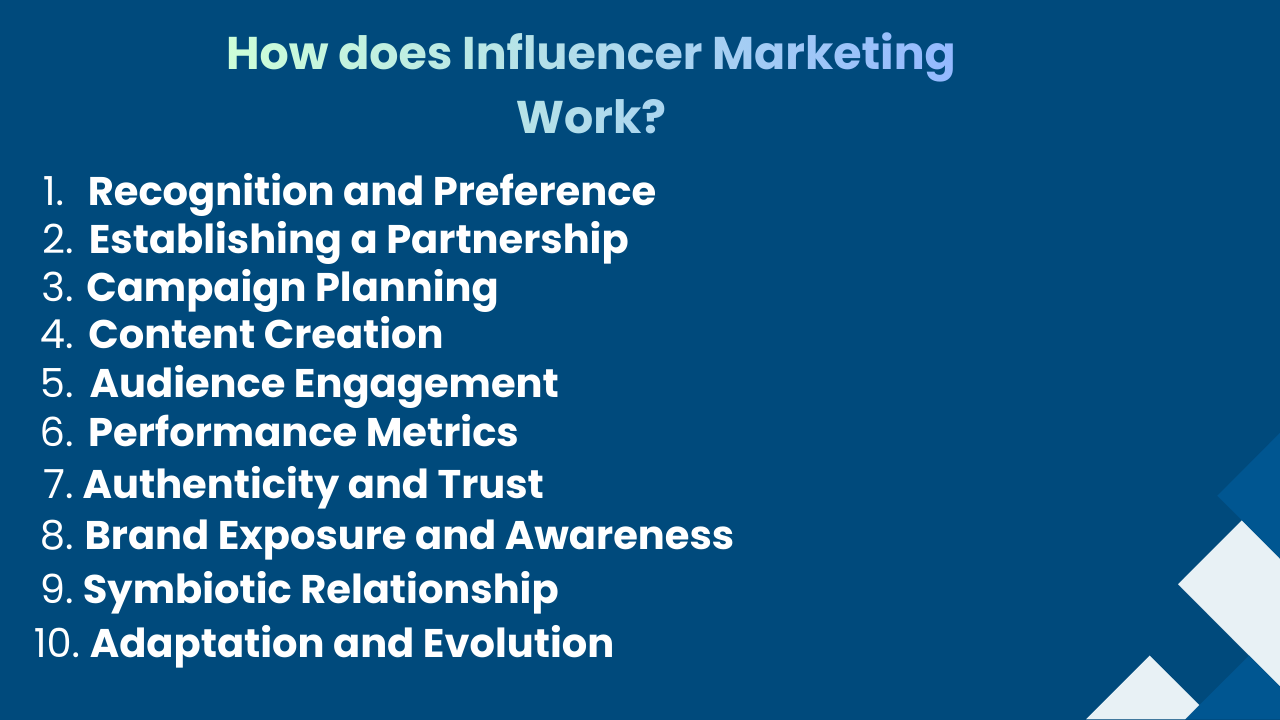
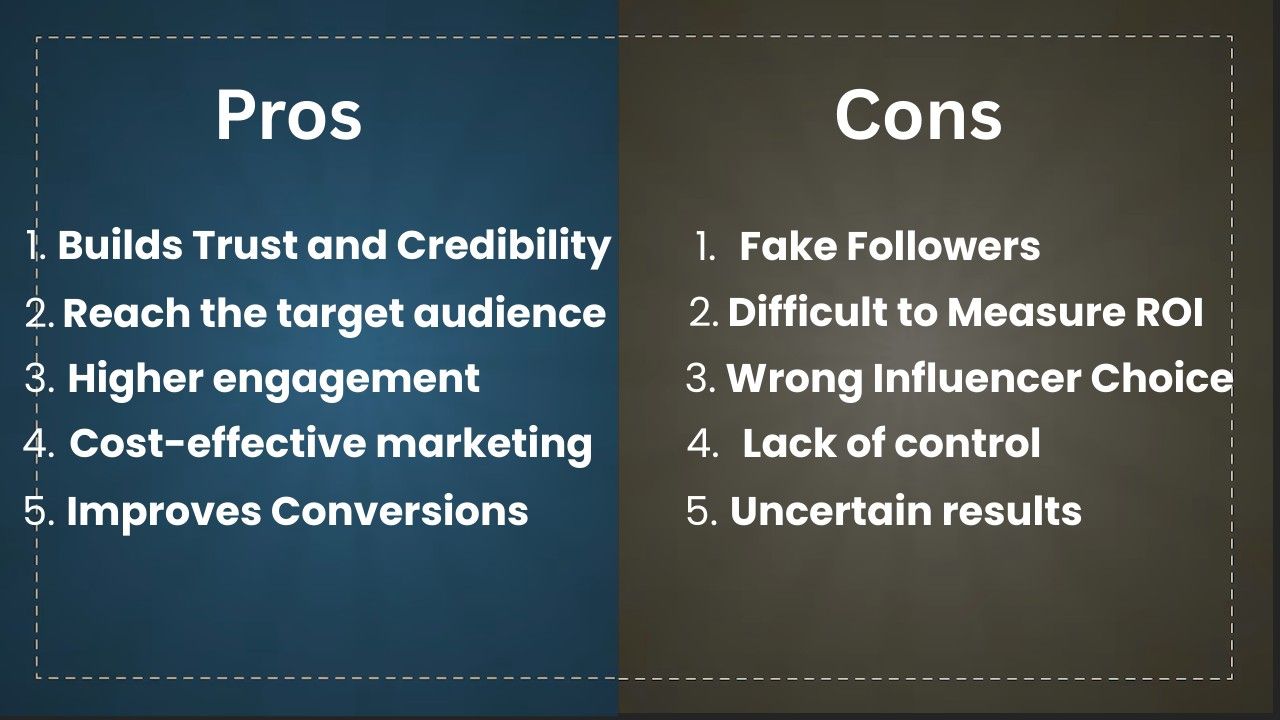
2. Influencer Marketing

One of the most popular trending social media marketing techniques is influencer marketing. Brands get into partnerships with individuals who possess a decent following to promote their services and products. Such individuals are considered reliable individuals who can approach audiences with ease. They produce personalized content that provokes their followers to shop online.

Brands leverage influencer marketing by using the name that the influencer has built and taking a commission. Influencers apply their marketing expertise by developing content appropriate for their brand. There are two types of influencers, ranging from micro (10k-100k) followers to nano (5k-10k) followers. In the history of digital marketing​ , influencer marketing is the new trend and is going very well.

3. Expansion of Video Content in The Evolution of Digital Marketing

The dominance of video content in the history of digital marketing​ is no wonder. Mobile marketing is ruled by video content. Yes, people do remember images, and image and text markets are also applicable. But video content commands the attention of audiences sooner.


No one is counting on TV or print media for entertainment. Individuals prefer to use platforms such as YouTube Shorts, Instagram Stories, and Reels for entertainment. Companies that employed the use of videos well have experienced higher engagement for their material.

The amount of money brands spend on digital marketing is very high. If we take the history of digital marketing​ brands that don’t take digital marketing seriously, they don’t see much brand promotion among people.

4. Shoppable Content & Social Commerce

Customers normally now purchase products from traditional e-commerce websites that they find through search engines. But nowadays we can see the growth of social media platforms to promote products and services, mainly through Instagram and Facebook.

Social commerce utilizes social media platforms, which they find more convenient than e-commerce shopping sites nowadays.
A few examples are brands promoting products through influencer collaboration. Most of the audience finds this kind of purchasing more interactive and easier. This shows how far we have come compared to traditional marketing vs digital marketing.

Conclusion

Today, campaigns are completely online. If we check the history of digital marketing, it​ basically took a backseat to the huge utilization of the internet. Brands soon understood that more product pictures and content were not the answer with the advent of SEO and PPC. This resulted in the practice of content marketing, with blogs being the foundation for authority, backlink creation, and on-page and off-page SEO methods.

Social media came into existence in the evolution of digital marketing in the 2010s, prompting audiences to shift their focus more to these social media sites for entertainment purposes. Site and, consequently, on marketing. Brands started using this platform and more since it became the first touchpoint to connect them. This gave birth to mobile-friendly sites and content. These tools all enhanced the accuracy of all marketing decisions and eliminated confusion.

From AI chatbots and voice search to social commerce and influencer marketing, trends are changing so fast in the new age. Digital marketing for startups is now common to establish their brand quickly by using current trends and marketing methods.

FAQ

1. What kind of marketing trends are more popular now?

Currently, the most popular marketing trends are AI-powered marketing, voice search optimization, and influencer marketing.

2. How is traditional marketing vs digital marketing differ?

Digital marketing is any marketing through the internet using online media, search engines, or email. Traditional marketing used television advertisements, poster cutouts, and newspaper advertisements mostly.

3. Why is online advertising best?

Internet marketing costs less and targets the audience by data-driven insights. But it also has defaults like click fraud and increasing competition for digital ad space.